
Out-of-network dental benefits work as a reimbursement. You receive care, your insurance plan reviews the claim, and the plan pays a portion of the cost based on your coverage. The amount depends on your deductible, your annual maximum, and the percentages your employer chose, which is why two people with similar insurance cards can see different results.
At Starik Dental Studio in Cresskill, New Jersey, Dr. Irina Starik and our team help patients work through their insurance and out-of-network benefits with clear information. We file claims on your behalf for PPO plans, so you can focus on your care while we handle the paperwork.
What Happens After Your Visit?
Out-of-network care follows a predictable path once you know the steps. Most claims move through the same five stages.
- Your visit: You receive care, and our team gathers the details your plan needs.
- Claim filing: We submit the claim to your PPO plan on your behalf.
- Plan review: Your insurer applies your deductible, coinsurance, and annual maximum to the claim.
- Payment: The plan issues its reimbursement based on your coverage.
- Your statement: You receive an explanation of benefits showing what the plan paid and why.
Patients remain responsible for the balance after reimbursement, and every plan sets its own limits. Reviewing your policy before treatment helps you know what to expect and plan for your share of the cost.
Factors That Shape What Your Plan Pays
Several details in your policy decide how much comes back to you, and most are listed in your plan documents.
Deductibles and Annual Maximums
Your deductible is the amount you pay each year before your plan begins reimbursing claims. After that, the plan pays until it reaches your annual maximum, which is the most it covers in a benefit year. Larger treatment plans may reach that limit sooner, so timing your care around your benefit year can be worth discussing with our team.
Coverage Percentages and Plan Rules
Plans usually cover a percentage of each service, and that percentage can differ for preventive, basic, and major care. ADA News notes that most patients have the wrong idea about their out-of-network benefits and often assume payment works the same way it does in network. Asking questions before treatment closes that gap, and our team is glad to help you find the answers.
A Simple Example of Reimbursement
Numbers can make the process easier to picture, so here is a hypothetical example. Suppose your deductible has been met, your plan reimburses 50 percent of eligible charges, and a service has an eligible charge of $1,000. In that case, the plan would reimburse $500, and the remaining $500 would be your responsibility.
Your own results depend on your plan, so treat these figures as an illustration only. If your plan has already paid close to your annual maximum, the reimbursement may be lower, and checking your remaining benefits first gives you a clearer picture of your costs.
How to Prepare for Your Appointment
A little preparation can make the process feel more manageable.
Questions for Your Insurance Plan
A short call to your insurance plan can answer most questions before you sit in the chair. Ask whether your deductible has been met, how much of your annual maximum remains, and what percentage the plan reimburses for the service you are considering. Request the answers in writing when you can, and bring them to your visit. Keep a note of the date and the name of the representative you spoke with, which can help if questions come up later.
Reading Your Explanation of Benefits
Your explanation of benefits is the statement your insurer sends after it processes a claim. It usually lists the service, the amount billed, the amount the plan allowed, the amount it paid, and the portion left for you.
Reading it carefully helps you confirm the numbers match what you expected. If a line looks unclear, contact your insurer or bring the statement to our office with your questions.
Options at Our Practice
We file claims for patients with PPO plans from carriers such as Delta Dental and MetLife, and you can read more about each plan on its own page. If you do not have dental insurance, our in-house membership plan gives you another way to plan for care.
Contact Starik Dental Studio About Your Dental Benefits
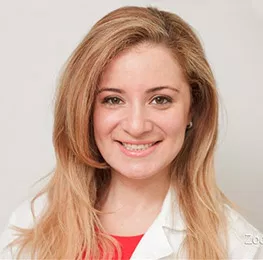
Dr. Irina Starik brings more than 15 years of experience in dentistry to our Cresskill practice, and our team welcomes new patients of all ages. She lives in Demarest, speaks Russian and English, and her approach to care centers on enhancing a smile, never over-correcting one.
Although we are an out-of-network practice, our goal is to make your care accessible with clear information and support with your claims. If you have questions about your benefits or a treatment plan, reach out to our Cresskill office through our contact form.

