
Anyone considering a cosmetic change to their smile eventually asks a practical question: how long will it last? Well-placed porcelain veneers and cosmetic bonding often serve patients for many years, and published research on thousands of restorations shows how much of that timeline depends on material, design, and daily habits.
At Starik Dental Studio, Dr. Irina Starik brings more than 15 years in dentistry to cosmetic dentistry in Cresskill, NJ, and we believe informed patients make the most confident decisions about their smiles. We gathered peer-reviewed numbers on veneers and bonding here so you can weigh them against realistic expectations.
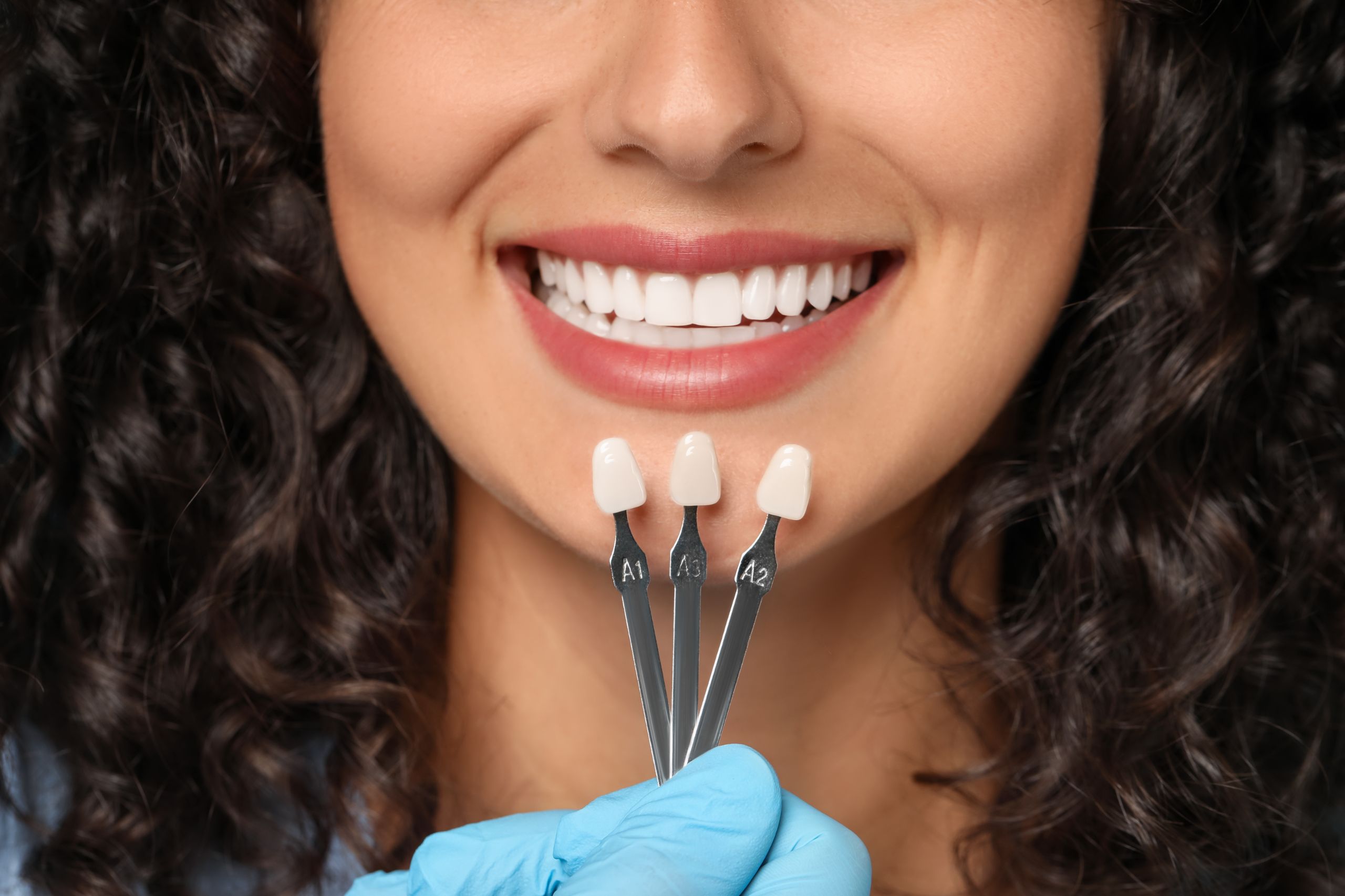
A 2021 systematic review in the Journal of Clinical Medicine pooled 25 clinical studies covering 6,500 porcelain veneers. The authors estimated a 10-year cumulative survival rate of 95.5%, counting fracture, debonding, secondary decay, and the need for nerve treatment as reasons for failure. In plain terms, the estimate suggests roughly 19 of every 20 veneers remain in service after ten years. Counting each cause on its own, ten-year survival stayed above 96% for fracture and above 99% for debonding, secondary decay, and nerve treatment.
Fracture was the most common complication, followed by debonding, and both appeared more often in the first years after cementation. The authors also cautioned fewer patients were followed past year ten, which lowers confidence in the longest-term estimates. We share this limit openly because honest numbers help you plan better than a promise of permanence.
Bonding uses tooth-colored composite resin shaped directly on the tooth, and its record is more varied. A systematic review in the Journal of Conservative Dentistry examined 25 studies and 75,637 direct composite restorations on front teeth. Annual failure rates ranged from 0% to 27.11%, and survival rates ranged from 28.6% to 100%.
A range this wide reflects differences in restoration type, material, and technique rather than a single outcome. The review found Class III restorations, which repair the sides of front teeth, had lower failure rates than other restoration types, and fracture was the main cause of failure. Restorations involving a biting edge carry higher chewing loads, which is why planning for that load matters when a front tooth is rebuilt.
Material choice shows up clearly in the veneer data. In the same Journal of Clinical Medicine review, 109 of 1,907 veneers made from non-feldspathic ceramics, which are mechanically stronger, failed, compared with 275 of 3,544 made from feldspathic porcelain. Clenching and grinding also matter, and one study included in the review found a significantly higher failure rate among patients who grind their teeth.
Bonding outcomes in the Journal of Conservative Dentistry review were linked to adhesive technique, the type of composite resin, and whether a restoration replaced an earlier one. A night guard for patients who grind and routine visits, so small chips or edges can be polished or repaired early, are practical ways to protect either treatment. When a tooth needs more coverage than a veneer or bonding can provide, restorative dentistry may be a better fit.
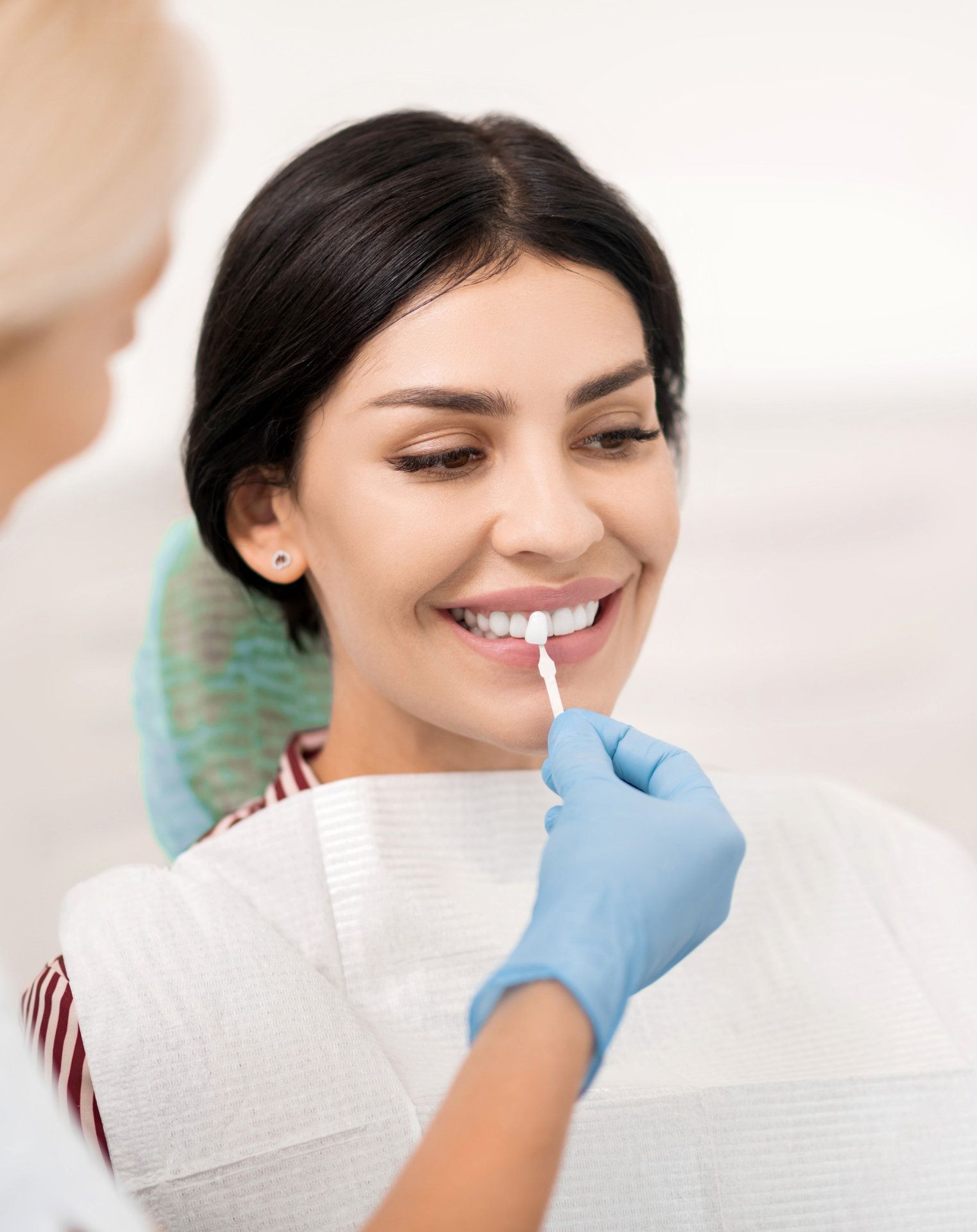

Statistics describe groups, and your smile is individual, so a consultation should address your bite, your habits, and your goals. Useful questions include which material suits your teeth, whether the plan covers the biting edge, whether a night guard is advisable, and what maintenance or repair may involve over time. Bringing photos of smiles you admire, and describing what you would like to change, gives us a concrete starting point. Our new patient information explains what to expect at a first visit.
Cosmetic work is also a long-term decision, so we offer flexible payment options and an in-house membership plan to help you plan for both treatment and upkeep. We work with most PPO plans and will file on your behalf.
The Journal of Clinical Medicine review also tracked when each problem occurred, which helps explain why follow-up visits matter. Knowing the usual timeline lets you plan maintenance with realistic expectations instead of surprises.

Most fractures and debonding events occurred within two years of cementation, so early follow-up visits are worth keeping.
The need for nerve treatment was relatively uncommon and appeared mostly between three and seven years after cementation, a window when a routine exam may reveal changes early.
Secondary decay was uncommon and appeared mostly after five years, one reason routine exams and cleanings remain important long after treatment.
Taken together, these patterns show both the early years and the long view deserve attention, and regular visits cover both.
Dr. Irina Starik holds a Bachelor of Science from New York University and a Doctor of Dental Medicine from the University of Medicine and Dentistry of New Jersey, and she completed an Advanced Education in General Dentistry residency at Lutheran Medical Center. She is a member of the Prosthodontic Honor Society, and her approach favors precision and restraint, enhancing a smile, never over-correcting one.
If you are weighing veneers, bonding, or a combination of both, we are welcoming new patients at our Cresskill office and would be glad to review your options with you. Our location serves patients from Demarest, Tenafly, Alpine, Englewood Cliffs, and Closter. To discuss your goals and what the research may mean for your smile, contact our office.
Schedule your appointment today and experience personalized dental care that puts your comfort first. Healthy teeth. Confident you.